
How to Lose Weight with Hypothyroidism and Menopause
Introduction
Are you struggling with stubborn weight gain caused by hypothyroidism and menopause? You’re not alone. These two conditions can make it challenging to lose weight, even when you’re eating right and exercising regularly.
In this guide, you’ll learn how to lose weight with hypothyroidism and menopause through proven, practical strategies.

Understanding Hypothyroidism and Menopause
What is Hypothyroidism?
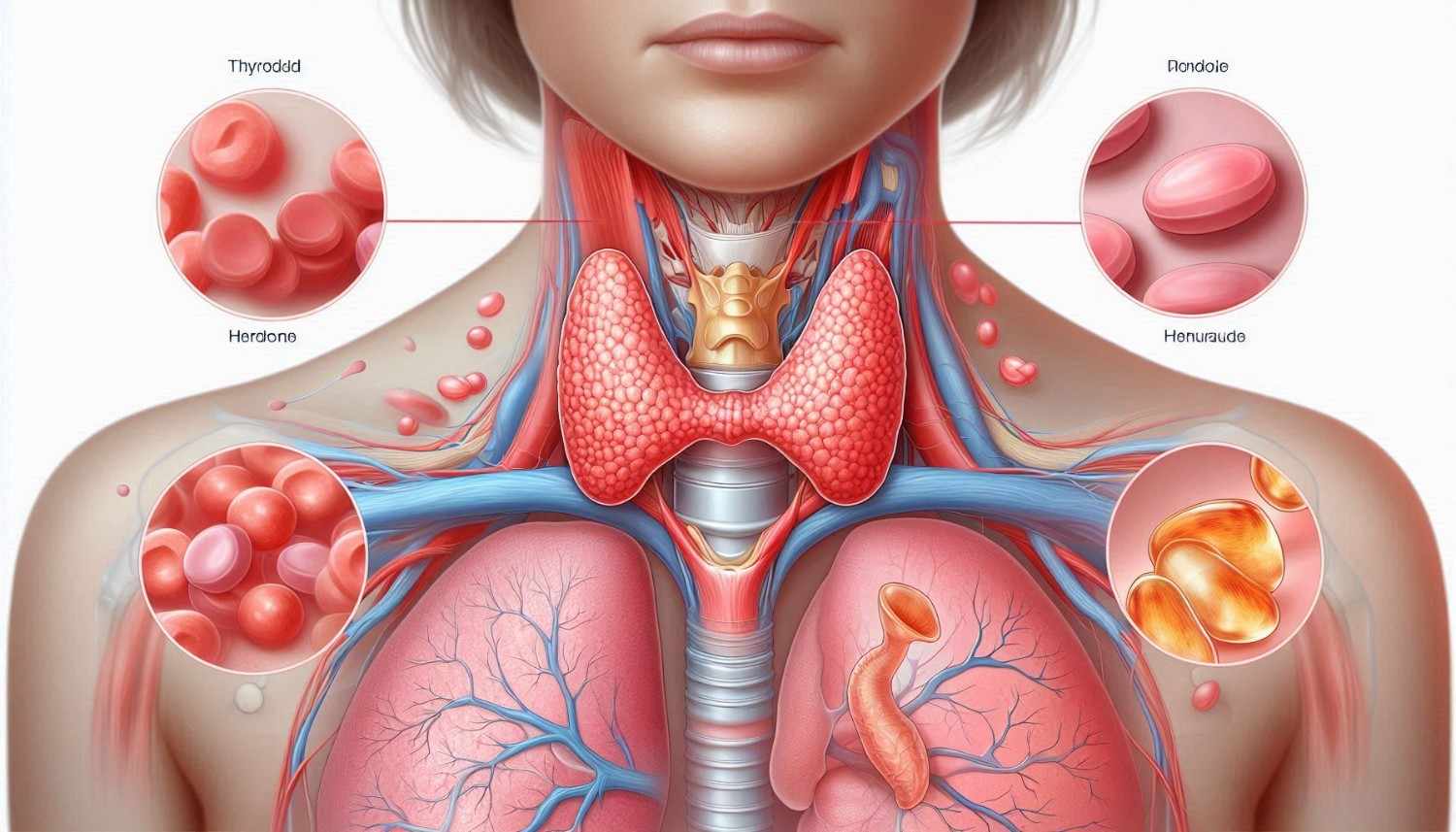
Hypothyroidism occurs when the thyroid gland doesn’t produce enough hormones. These hormones are vital in regulating your metabolism, energy levels, and weight control.
What Happens During Menopause?
Menopause is a natural phase that marks the end of a woman’s reproductive years. Estrogen levels drop, which can result in a slower metabolism and increased fat storage.
Why Is Weight Loss So Difficult During Hypothyroidism and Menopause?
-
Slower Metabolism
Your metabolism slows down due to decreased thyroid hormones and estrogen.
-
Hormonal Imbalances
Lower estrogen and thyroid hormone levels make it easier to gain weight, particularly in the abdomen.
-
Increased Fat Storage and Insulin Resistance
Insulin resistance can cause your body to store more fat and make weight loss harder.
How to Lose Weight with Hypothyroidism and Menopause
1. Consult Your Doctor First
Before starting any weight loss program, get your thyroid hormone levels tested and discuss potential treatment options, including Hormone Replacement Therapy (HRT).
2. Optimize Your Thyroid Medication
Take your thyroid medications like levothyroxine exactly as prescribed. Avoid consuming calcium, iron, or soy around your medication time as they can interfere with absorption.

3. Eat a Balanced Diet Rich in Nutrients
Focus on High-Fiber Foods
Fiber helps regulate blood sugar and promotes fullness. Include whole grains, fruits, and vegetables.
Prioritize Lean Proteins
Protein helps build muscle mass, which increases metabolism.
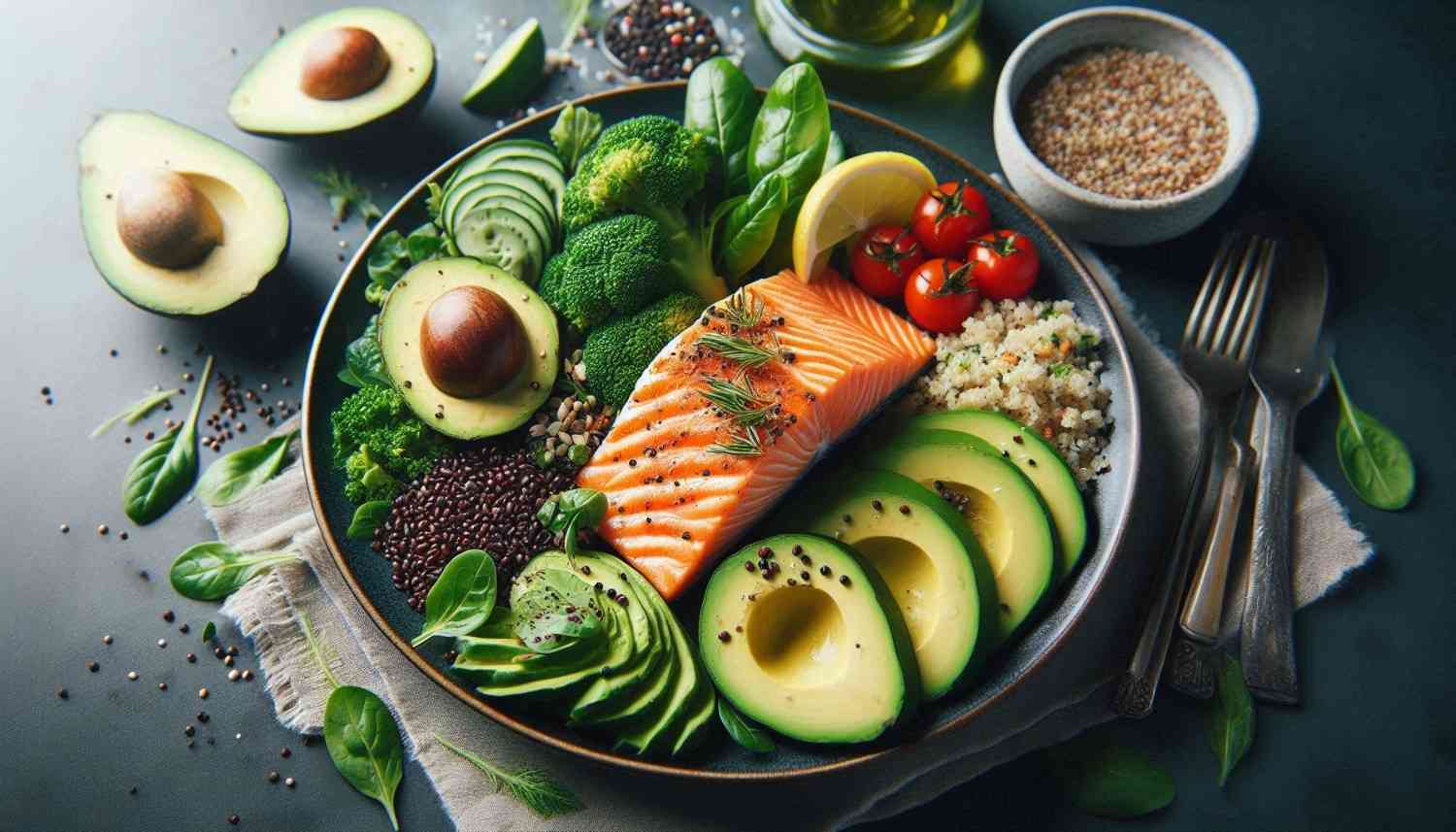
Great sources include chicken breast, turkey, tofu, and fish.
Incorporate Healthy Fats
Healthy fats support hormone production. Choose avocados, olive oil, nuts, and seeds.
Avoid Processed Foods and Sugars
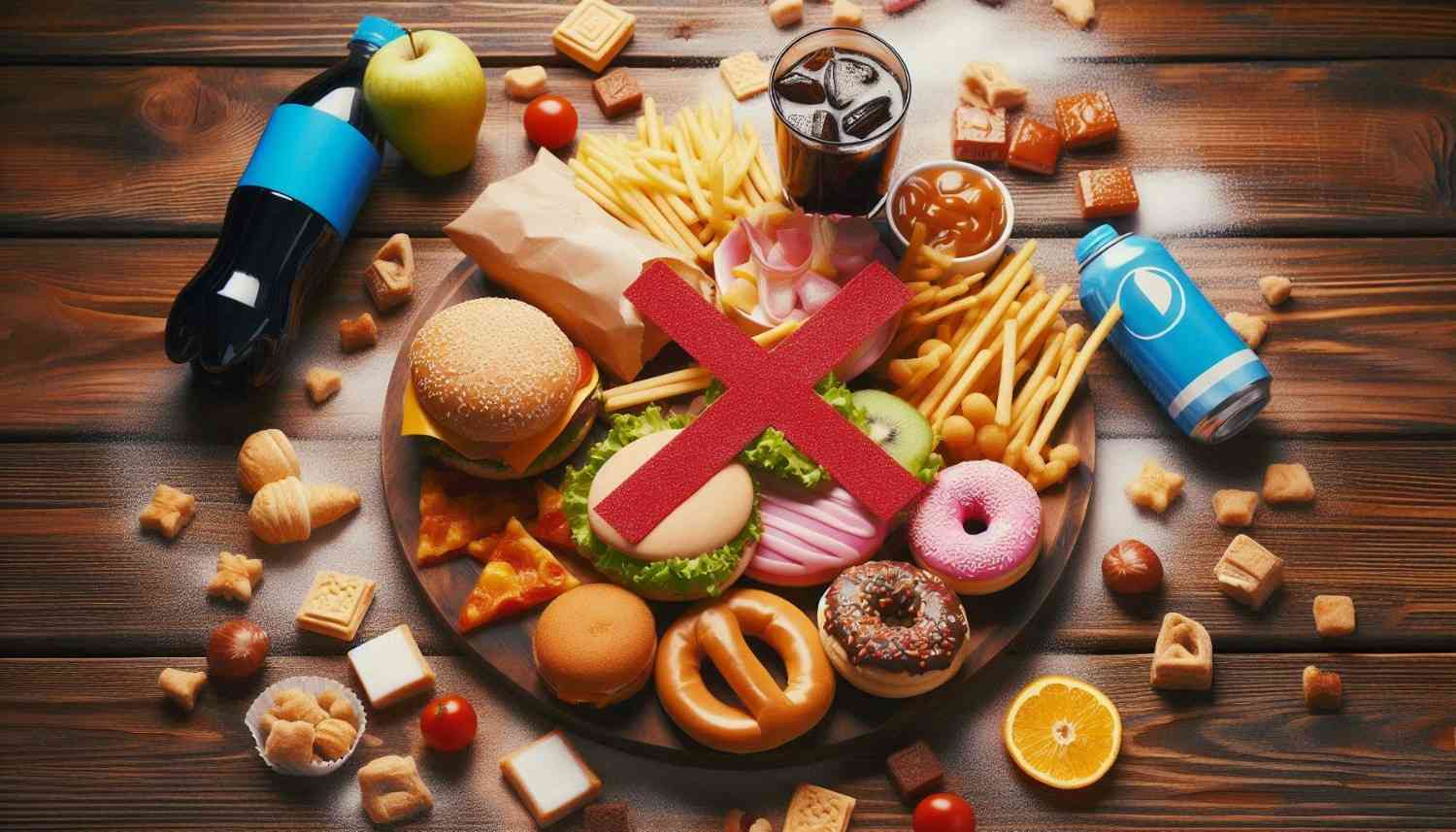
Refined carbohydrates and sugars worsen insulin resistance and can lead to fat gain.
4. Exercise Regularly but Smartly
Strength Training is Key
Strength training boosts metabolism and preserves muscle mass. Aim for at least two sessions per week.
Include Low-Impact Cardio
Walking, swimming, and cycling are gentle on joints but effective for burning calories.
Practice Yoga or Stretching
Yoga reduces stress hormones like cortisol, which are linked to belly fat.

5. Manage Stress Levels
High cortisol (stress hormone) leads to fat storage, especially around the belly. Try meditation, breathing exercises, or hobbies you enjoy.
6. Get Enough Sleep
Sleep deprivation disrupts hormones that control hunger and fullness, like leptin and ghrelin. Aim for 7-9 hours of sleep per night.

7. Stay Hydrated
Dehydration can slow metabolism. Drink 8-10 glasses of water daily.

8. Use Supplements Wisely
Consider adding:
- Vitamin D: Essential for thyroid health
- Selenium: Supports thyroid hormone production
- Omega-3s: Reduce inflammation
- Magnesium: Supports relaxation and sleep
Sample Meal Plan for Weight Loss with Hypothyroidism and Menopause

What to Avoid During Weight Loss with Hypothyroidism and Menopause
- Skipping meals
- Extreme calorie restrictions
- Over-exercising
- Eating processed foods
- Sugary drinks
FAQs About Weight Loss with Hypothyroidism and Menopause
1. Why is it harder to lose weight after menopause with hypothyroidism?
Hormonal changes slow metabolism and increase fat storage, making weight loss more difficult.
2. Can exercise help balance hormones?
Yes! Regular strength training and yoga can support hormonal balance and metabolism.
3. Should I follow a specific diet like keto?
Low-carb diets can work for some, but it’s better to focus on a balanced, nutrient-dense diet. Consult your doctor first.
4. How much weight can I realistically lose?
Aim for 1-2 pounds per week, focusing on consistency rather than speed.
5. Is Hormone Replacement Therapy necessary?
It depends on individual symptoms and risks. Discuss HRT options with your healthcare provider.
Conclusion
Losing weight with hypothyroidism and menopause can be challenging but is achievable with the right approach. By focusing on hormone balance, healthy eating, regular exercise, stress reduction, and sleep, you can lose weight and improve your overall well-being.
Be patient and consistent, and always consult your healthcare provider before making major changes.

Also Read :-
Homemade Weight Gain Shakes Without Protein Powder: Easy Recipes
